Toddlers and preschoolers aren’t just small humans — they’re rapid-growth machines. Between ages 1 and 5, their brains, bones, and behavior are all under construction. That’s why nutrition during these early years is so foundational. It shapes not just physical development, but also learning, immunity, and lifelong habits.
Why Early Childhood Nutrition Matters
Growth Happens Fast
From walking to talking, from tricycles to ABCs — young kids develop rapidly. Nutrients like protein, calcium, iron, and healthy fats help support everything from brain formation to immune protection.
Taste Preferences Are Set Early
Food habits formed between ages 1–5 often shape future choices. Exposure to vegetables, whole grains, and varied textures during this window increases the odds they’ll choose those foods later in life.
Key Nutrients for Young Kids (Ages 1–5)
1. Protein
-
Role: Growth, immune support, enzyme production
-
Sources: Eggs, chicken, beans, tofu, dairy
2. Calcium
-
Role: Bone and teeth formation
-
Sources: Milk, yogurt, cheese, fortified plant milks
3. Iron
-
Role: Supports oxygen transport, energy, brain development
-
Sources: Red meat, lentils, fortified cereals, spinach
4. Vitamin D
-
Role: Helps absorb calcium and supports immunity
-
Sources: Sunlight, fortified dairy, egg yolks, salmon
5. Healthy Fats (Omega-3s)
-
Role: Brain development and hormone production
-
Sources: Avocados, flaxseed, fatty fish, nut butters
6. Fiber
-
Role: Digestive health and gut microbiome support
-
Sources: Fruits, vegetables, oats, whole grains
Ideal Daily Structure for Young Kids’ Nutrition
Breakfast:
-
Whole grain + protein + fruit
-
Example: Scrambled eggs + whole wheat toast + orange slices
Morning Snack:
-
Fruit + fat or protein
-
Example: Banana + almond butter
Lunch:
-
Protein + veggie + whole grain
-
Example: Turkey and cheese sandwich + cucumber sticks
Afternoon Snack:
-
Dairy or plant-based + carb
-
Example: Greek yogurt + granola


Dinner:
-
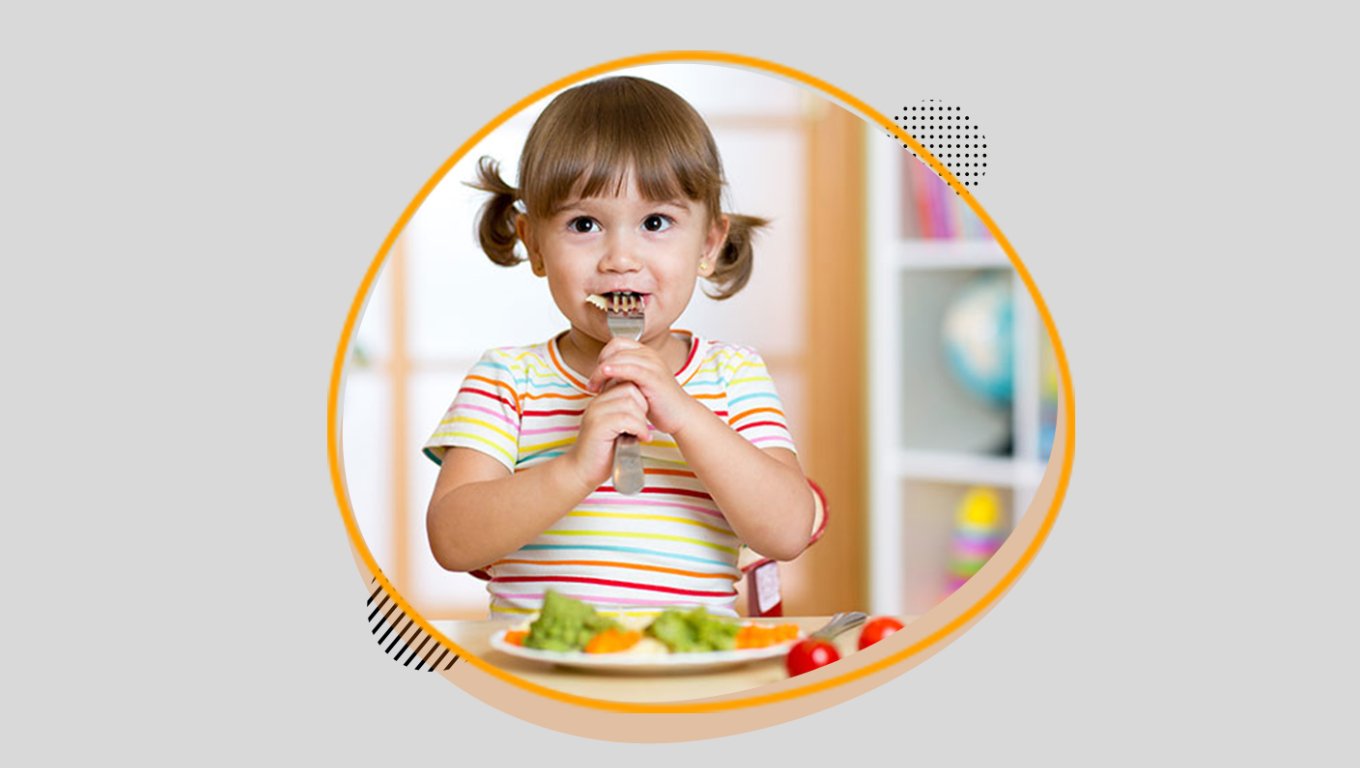
Protein + vegetable + starch
-
Example: Baked chicken + broccoli + mashed sweet potatoes
Optional Treat:
-
Healthy baked muffin, fruit popsicle, or dark chocolate square
Sample Weekly Food Rotation (Toddler-Friendly)
Proteins:
-
Scrambled eggs, grilled chicken, turkey meatballs, lentils, tofu cubes
Veggies:
-
Carrot sticks, steamed peas, sweet potato fries, bell pepper strips, zucchini muffins
Fruits:
-
Berries, banana, kiwi, melon, applesauce
Grains:
-
Oats, whole wheat pasta, brown rice, quinoa, whole grain crackers
Dairy/Calcium Sources:
-
Milk, cheese sticks, cottage cheese, plant-based fortified milks
How to Handle Picky Eating Without Pressure
-
Offer but don’t force – Let them explore without pressure
-
Use “micro portions” – A single pea or carrot slice counts as exposure
-
Serve the same food in new ways – raw, roasted, mashed, dipped
-
Keep a schedule – Predictable meals/snacks reduce grazing and drama
-
Model variety – If you eat it, they’ll want to try it
Hydration Guidelines
-
Water is the go-to
-
Limit juice to 4 oz/day (100% juice only)
-
Milk: ~16–20 oz/day for toddlers (avoid excess to prevent iron interference)
-
Offer small sips throughout the day — not just at meals
Tools / Products / Resources
-
Divided plates – give visual structure and reduce overwhelm
-
EZPZ placemats – stay-put plates for toddlers
-
Mini bento boxes – help rotate different textures
-
Smoothie pouches – ideal for fruit/veggie combos
-
“Feeding Littles” course – popular program for toddler nutrition & picky eaters