Getting your kids to eat vegetables can feel like trying to sell broccoli at a candy store. You beg. You bribe. You even hide spinach in muffins. Still — the plate returns untouched. But it doesn’t have to be a war. With the right strategies, veggies can go from “nope” to normal.
Why Kids Resist Vegetables in the First Place
It’s About Survival, Not Sass
Kids are hardwired to avoid bitter or unusual flavors — it’s a leftover survival instinct. In prehistoric terms, bitterness could mean poison. So when your child recoils at kale, it’s biology, not defiance.
Texture and Smell Also Matter
Soft, mushy, or sulfur-rich veggies (like Brussels sprouts) can trigger a strong “no way” response. Even the sound of chewing — like raw carrots — can be off-putting to sensory-sensitive kids.
Smart, No-Pressure Ways to Get Kids to Try Veggies
1. Start Small — Like Really Small
Introduce one bite, not a full serving. A single green bean on the plate reduces intimidation and builds familiarity over time.
2. Let Them Play Chef
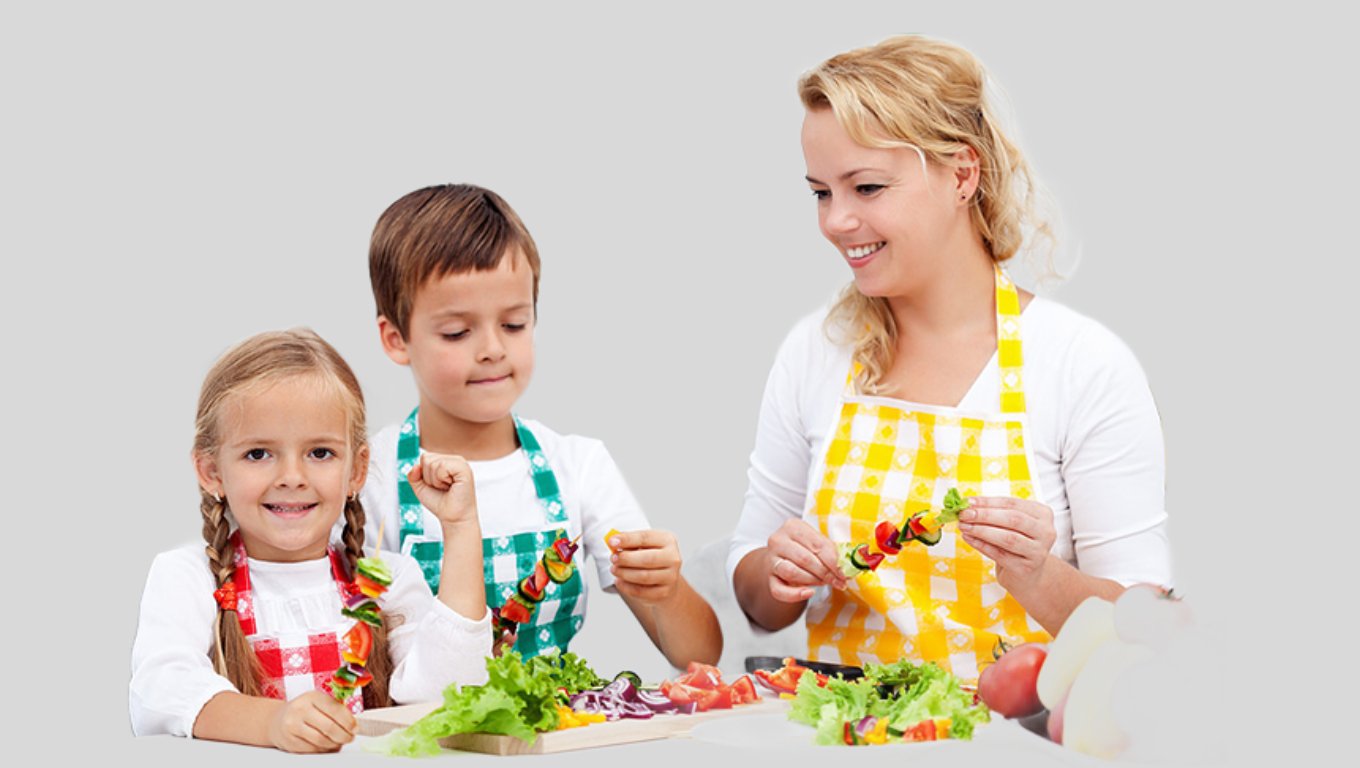
Kids who help prep are more likely to try what they’ve made. Let them wash spinach, peel carrots, or stir a veggie into the pot.
3. Offer, Don’t Force
The more pressure you apply, the more resistance you create. Offer vegetables consistently but casually — and avoid the clean-plate rule.
4. Try Dips and Spreads
Hummus, ranch, guac, yogurt sauce — dips make veggies fun and give kids a sense of control.
5. Keep It Visible
Keep cut veggies at eye level in the fridge or in a fun cup at dinner. Repetition without pressure rewires preference.
Sneaky (But Ethical) Ways to Add More Veggies
6. Blend Them Into Familiar Favorites
-
Zucchini in muffins
-
Spinach in smoothies
-
Cauliflower in mac and cheese
-
Carrots in meatballs
7. Use Visual Tricks
-
Spiralize zucchini instead of noodles
-
Shape cucumbers into stars
-
Rainbow veggie skewers = edible art

8. Serve Raw Instead of Cooked
Some kids prefer crunch over softness. Raw bell pepper, sugar snap peas, or cherry tomatoes may go over better than steamed options.
The Power of Repetition and Role Modeling
9. Don’t Give Up After One Try
Kids often need 10–15 exposures to a new food before accepting it. That means seeing it, touching it, even rejecting it — all count as progress.
10. Eat What You Want Them to Eat
Your plate is a billboard. If they see you enjoying roasted Brussels sprouts or cucumber slices, they’re more likely to try it themselves.
Meal Ideas That Help Veggies Sneak In Naturally
-
Veggie quesadillas – finely chopped peppers, spinach, and mushrooms under cheese
-
Pasta primavera – colorful veggies tossed with butter and parmesan
-
Mini veggie muffins – carrots, zucchini, and corn in savory form
-
Pizza with veggie faces – bell peppers, olives, mushrooms as toppings
-
Loaded grilled cheese – add thin tomato, spinach, or avocado slices
What to Avoid When Introducing Veggies
-
Shaming phrases like “You’re being a baby”
-
Reward-based bribery like “Eat your broccoli, then you get dessert”
-
Hiding veggies forever — eventually, kids should know what they’re eating
Instead, aim for trust, exposure, and a sense of autonomy. Vegetables don’t need to be enemies — just familiar.
Products / Tools / Resources
-
FunBites Food Cutter – turn cucumbers and carrots into stars and hearts
-
Nutribullet Blender – for quick veggie smoothies
-
PlanetBox Bento Box – encourages variety and visibility
-
Veggie-themed books for kids – like Rah, Rah, Radishes! or I Will Never Not Ever Eat a Tomato
-
Reusable veggie snack cups – make raw veggies more accessible